

The female cycle is a fascinating interplay of hormones, where estrogen, progesterone, luteinizing hormone (LH), and follicle-stimulating hormone (FSH) work together to prepare the body for a possible pregnancy.
This cycle typically lasts 21 to 35 days, with an average length of about 28 days, though it varies significantly from woman to woman. During this period, key hormones play a role in three main phases: the proliferative, ovulatory, and luteal phases. How do these phases affect our bodies, and what happens behind the scenes of this complex process? Let's take a closer look.
Knowing your own cycle isn't just about understanding your body – it's a path to greater freedom and harmony in everyday life.
Three Phases of the Female Cycle
From birth, a woman's ovaries contain 1 to 2 million oocytes (eggs), but by puberty, this number drops to approximately 300,000 – 400,000. From puberty onwards, 10 to 20 follicles begin to develop each month, but usually only one becomes dominant and reaches ovulation.
Proliferative Phase: Growth and Preparation
The proliferative phase begins on the first day of menstruation and lasts until ovulation. During this phase, the uterine lining, which shed in the previous cycle, begins to regenerate. Estrogen plays a major role by stimulating the growth of a new uterine lining, creating optimal conditions for the implantation of a fertilized egg.
Concurrently, FSH levels rise, triggering the maturation of follicles in the ovaries. Although several eggs begin to develop, usually only one becomes dominant and prepares for ovulation.
Ovulation: The Key Event of the Cycle
Ovulation occurs when the dominant follicle releases a mature egg into the fallopian tube, where it begins its journey to the uterus. This process takes place around day 14 in a 28-day cycle but can range between day 12 and 16, depending on the length of each woman's cycle.
The egg remains viable for fertilization for approximately 24 hours. If sperm is present during this time, pregnancy can occur.
Luteal Phase: The Final Phase of the Cycle
After ovulation, the ruptured follicle transforms into a corpus luteum, which produces progesterone. This hormone is crucial for preparing the uterus for pregnancy. Luteinizing hormone (LH) maintains the function of the corpus luteum and ensures stable progesterone levels.
If fertilization does not occur, progesterone levels drop, triggering menstruation, during which the uterine lining sheds. Many women overestimate the amount of blood lost during menstruation, but research shows that the actual volume is usually 30 – 60 ml – much less than it seems. A loss of more than 80 ml may indicate heavy menstrual bleeding (menorrhagia).
How Hormones Affect Daily Life
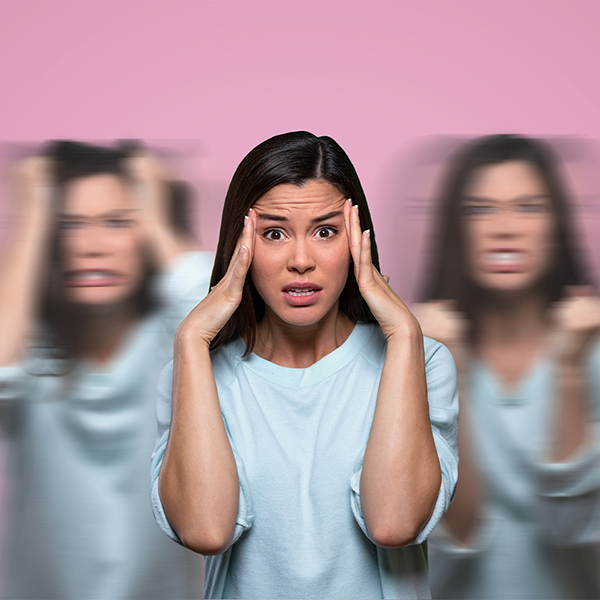
Fluctuations in estrogen, progesterone, LH, and FSH can significantly affect a woman's physical and emotional state. Some women experience abdominal pain, headaches, or fatigue, while others may be more sensitive or irritable.
Tracking your cycle using a menstrual calendar is an excellent way to understand how hormonal changes affect mood and energy. Many doctors recommend keeping a record of your cycle because it helps identify patterns and find ways to alleviate uncomfortable symptoms.
Why It's Important to Know Your Cycle
Knowing your own cycle is not only practical but also liberating. It helps you better adapt to physical and emotional changes, thus promoting harmony and well-being in everyday life.